Tree Age Estimator
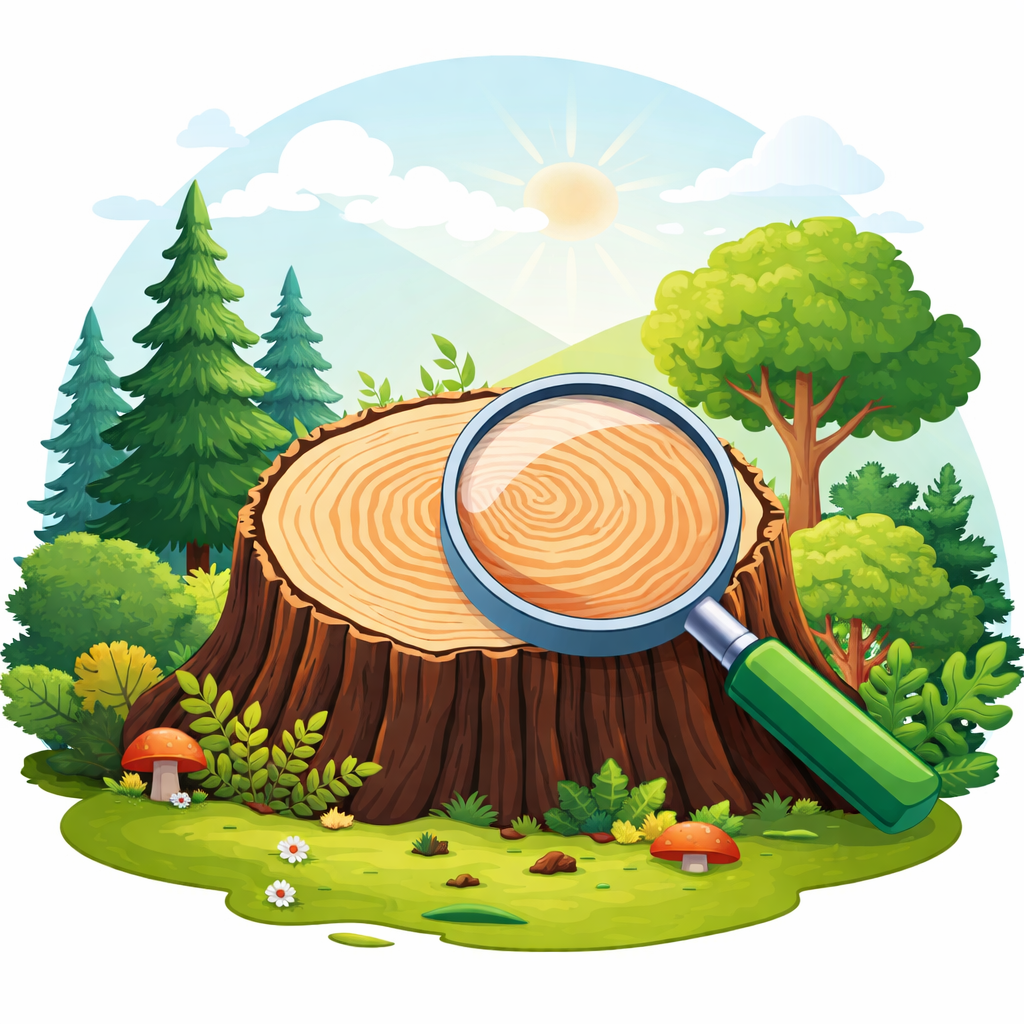
Rule of thumb: age ≈ DBH (inches) × growth factor. If you enter circumference, DBH is derived by diameter = circumference ÷ π.
Quick Presets
Click to fill a common species factor and an example size to try quickly.
Fill this if you don’t pick a species. Growth varies widely by species, region and conditions; results are approximate.
Measuring height
Measure at ~1.37m (4.5ft) above ground (DBH) for best estimates.
Manual copy (fallback)
Copy or download as TXT.
Common Growth Factors (Reference)
| Species | Factor | Notes |
|---|---|---|
| Oak | 5 | Factors are approximate; site, climate and competition affect growth. |
| Red maple | 4.5 | Factors are approximate; site, climate and competition affect growth. |
| Sugar maple | 5.5 | Factors are approximate; site, climate and competition affect growth. |
| Silver maple | 3 | Factors are approximate; site, climate and competition affect growth. |
| Pine | 4 | Factors are approximate; site, climate and competition affect growth. |
| Douglas fir | 5 | Factors are approximate; site, climate and competition affect growth. |
| Spruce | 4.5 | Factors are approximate; site, climate and competition affect growth. |
| Birch | 5 | Factors are approximate; site, climate and competition affect growth. |
| Aspen | 2 | Factors are approximate; site, climate and competition affect growth. |
| Cottonwood | 2 | Factors are approximate; site, climate and competition affect growth. |
| Elm | 4 | Factors are approximate; site, climate and competition affect growth. |
| Beech | 6 | Factors are approximate; site, climate and competition affect growth. |
| Redwood | 10 | Factors are approximate; site, climate and competition affect growth. |
Notes
- This is a non-destructive estimate. Accurate age typically requires ring count or professional assessment.
- Measure circumference/diameter at DBH (~1.37m) to reduce butt swell errors.
- Use results as a guideline and combine with species knowledge and local history.